A wingshooting paradise – especially for the shooters
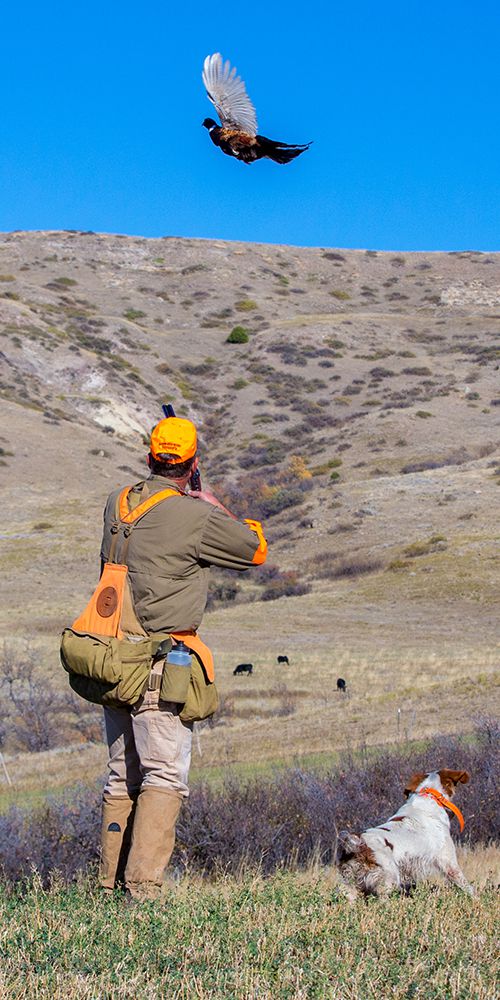
| For a bird hunter, the drive into Forrester’s can set the mind racing. Every fold in the landscape looks to be perfectly suited for gamebirds. And in this case, you will be pleased to discover, looks are not deceiving. | Thousands of acres of wheat fields, grasslands and coulees are reserved for the exclusive access of the guests of Forrester’s. This is land crowded with Ringneck Pheasant, Hungarian Partridge and Sharptail Grouse. | |
| Rates and Packages | Preparing for Your Trip |
Here at Forrester’s you’ll find unmatched opportunities to enjoy what is fast becoming one of the most popular of all sporting pursuits. The irresistible combination of working alongside a trained gundog, participation in conservation programs, and scouting bird habitats all add to the excitement as preparation for a day in the field are made.
We encourage you to contact us prior to your visit with any questions you may have regarding gear.
Days spent with hunting’s finest
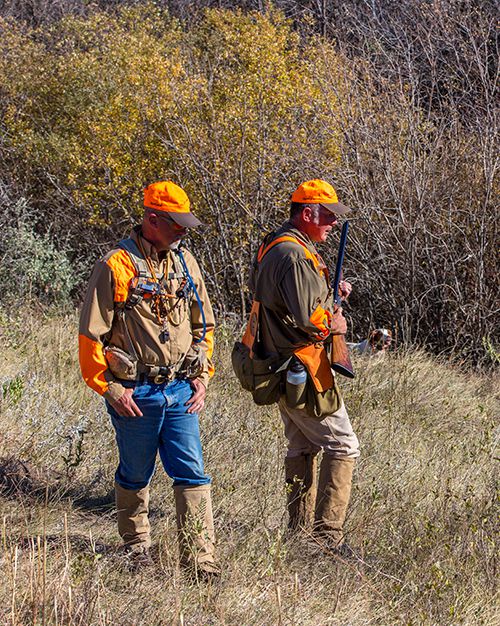
The wingshooting experience at Forrester’s is made all that much better by who you share it with. Our Orvis-endorsed professionals are not only consummate wingshooting guides but represent three generations of Crow Indians as well. Their devotion and unparalleled knowledge of the land and game you pursue will create a memorable and rewarding experience.
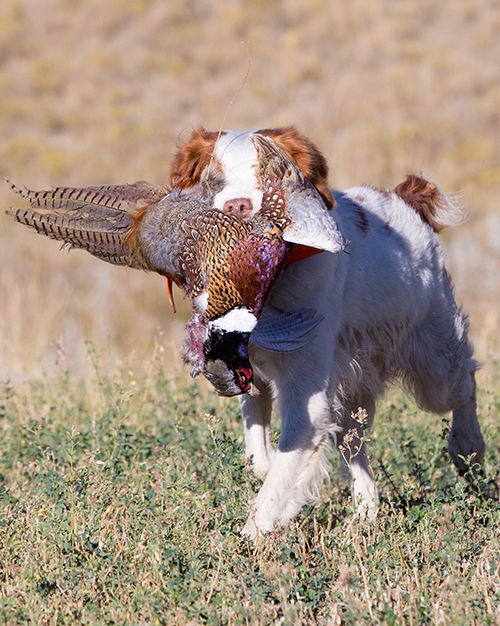
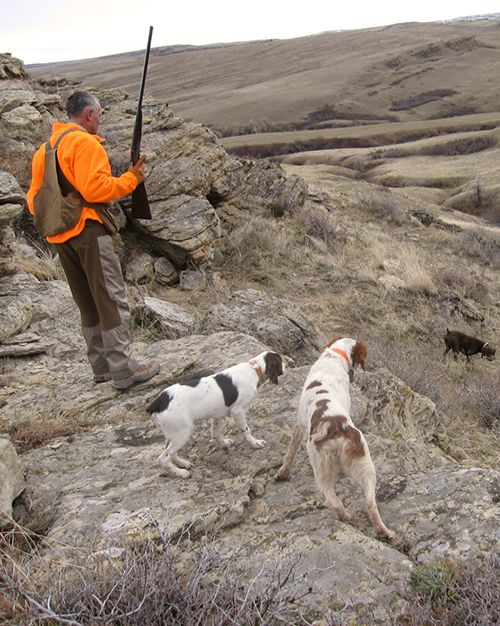
Likewise our kennel of trained Labs, Pointers and Brittanies are notable accomplices to a memorable day of wingshooting. Working thousands of acres of bird cover they will make sure to put up plump birds all day long.
Upland Game InformationTo help you understand a little about the upland game you will be hunting, here are a few facts you might find interesting. |
|
Ringneck PheasantThe Ringneck Pheasant is perhaps the most common and well-know game bird in the world. An estimated 50 million pheasants exist around the world. The Ringnecks cover the most diverse habitat of all pheasant species and can be found in over 30 of the lower 48 states. Like most birds and other animals, it lives a predictable life and follows a normal routine throughout the day. The Ringneck prefers to roost in areas free of overhead cover so it can quickly escape if a predator approaches it. Suitable roost areas include stubble fields, moist grassy swales, and other spots with thick, low cover. |
|
Sharp-Tail GrouseSharp-tails are well known for being an elusive bird that will flush at very long distances. They are found in Conservation Reserve Program (CRP) fields, in edge cover along creek beds and in woody thickets. In many areas, pheasant and sharp-tail habitats overlap, making bird identification difficult. For experienced individuals, a sharp-tail can be distinguished from a hen pheasant by the prominent chuck-chuk-chuk sound emitted by a flushing grouse. It is primarily a plant eater with some insect consumption in the fall including grasshoppers, crickets and beetles. |
|
Hungarian PartridgeAlso called the Hun or gray partridge, Hungarian Partridges are native to the bush plains of central Europe and western Asia. It has been extensively relocated to many areas of North America after its initial introduction to the eastern seaboard states sometime in the 1870′s. During the years 1922 to 1926 the Montana Fish and Game Commission purchased 6,000 Huns in Europe and distributed them throughout the state. They may be found in grasslands, cultivated areas, and open rangeland and in high mountain valleys. They nest on the ground in shallow depressions in the grass or low brush. Adult Huns weigh in at roughly 12 ounces and range from 12” to 14” in length. Both sexes look very similar, but males have a horseshoe-shaped chestnut patch on the breast. The primary color is gray in varying shades. Their sides are barred with dark chestnut, and the red-brown tail feathers are conspicuous when the birds are in flight. Grains, seeds, leaves and berries are their primary diet. In the summer months they also eat large quantities of insects. |